

Looking for Authentic Kratom Quality?
Jack Botanicals offers AKA-approved strains including Red Maeng Da, Red Bali, and Green Maeng Da. Every batch is third-party lab tested.
First-Time Buyer Bonus: Apply JACK30 for 30% off
When someone decides to stop using kratom after regular consumption, the question “how long does kratom withdrawal last” becomes critically important for planning their recovery journey. While kratom has gained popularity as a natural alternative for pain management and mood enhancement, discontinuing its use can lead to uncomfortable withdrawal symptoms that vary significantly from person to person.
Understanding the withdrawal timeline helps individuals prepare mentally and physically for the challenges ahead. Unlike some substances where withdrawal follows a predictable pattern, kratom withdrawal duration depends on multiple factors including usage frequency, dosage amounts, individual metabolism, and overall health status.
- Kratom withdrawal typically lasts 3-7 days for acute symptoms, with some lingering effects extending up to several weeks
- Physical symptoms peak within 24-72 hours after last use and gradually subside over the following days
- Psychological symptoms like anxiety and mood changes may persist longer than physical discomfort
- Individual factors such as dosage, frequency of use, and personal health significantly impact withdrawal duration
- Professional medical support can help manage severe symptoms and reduce overall withdrawal time
Understanding Kratom and Its Effects on the Body
Kratom (Mitragyna speciosa) contains alkaloids, primarily mitragynine and 7-hydroxymitragynine, that interact with opioid receptors in the brain. These compounds create effects ranging from mild stimulation at lower doses to sedation and pain relief at higher amounts.
Regular kratom use leads to physical dependence as the body adapts to the presence of these alkaloids. When consumption stops abruptly, the nervous system must readjust to functioning without kratom’s influence, resulting in withdrawal symptoms.
The severity and duration of withdrawal correlate directly with:
- Daily dosage amounts 📊
- Length of regular use
- Frequency of consumption
- Individual biological factors
- Concurrent substance use
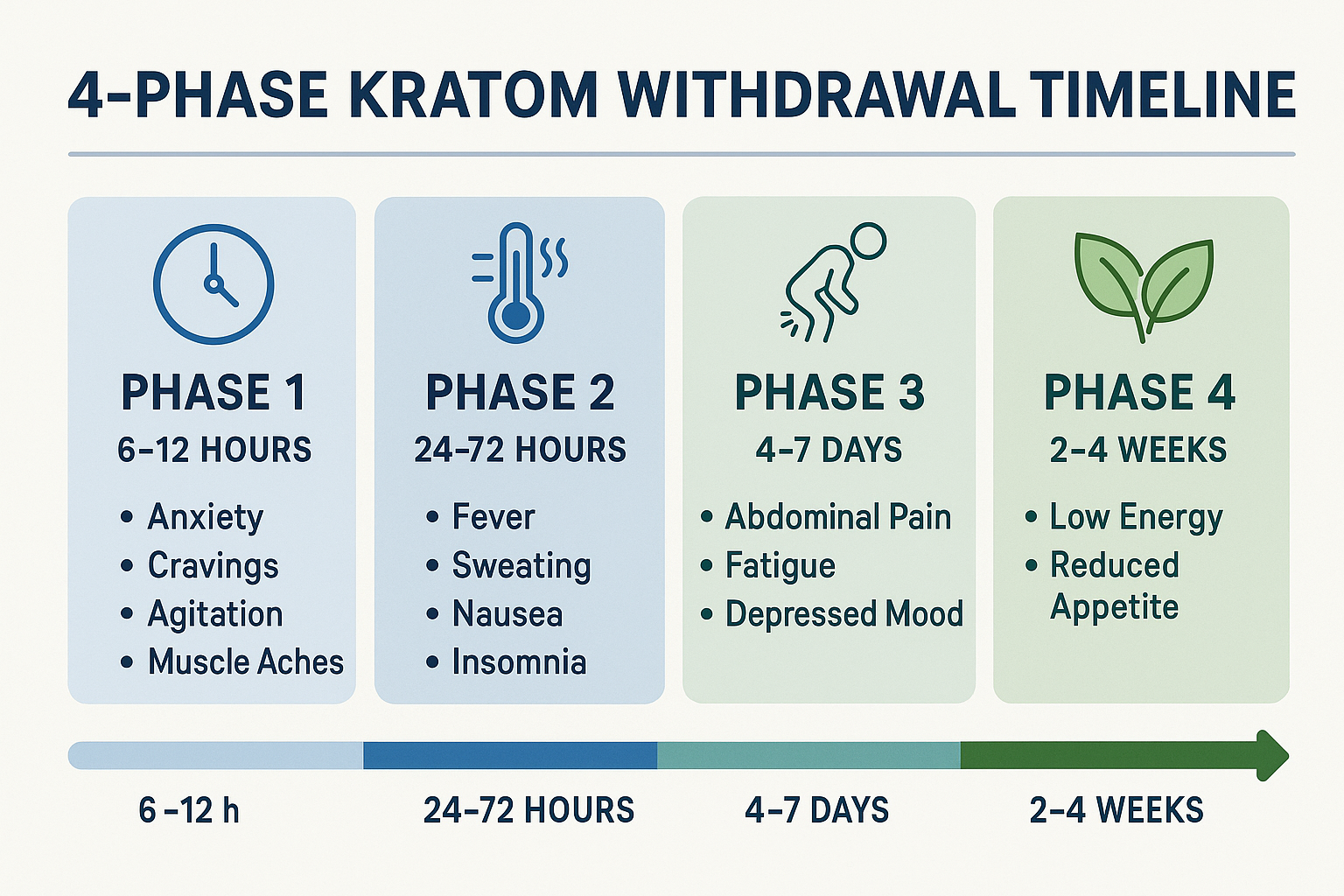
How Long Does Kratom Withdrawal Last: Complete Timeline
Phase 1: Onset (6-12 Hours)
The first withdrawal symptoms typically appear within 6-12 hours after the last dose. Early signs include:
- Mild anxiety or restlessness
- Slight muscle tension
- Decreased energy levels
- Mood changes
Phase 2: Peak Symptoms (24-72 Hours)
Physical symptoms reach their intensity during this critical period:
- Muscle aches and joint pain
- Nausea and digestive issues
- Sleep disturbances
- Increased anxiety
- Flu-like symptoms
- Temperature regulation problems
Phase 3: Gradual Improvement (Days 4-7)
Most acute physical symptoms begin subsiding:
- Reduced muscle pain
- Improved sleep quality
- Stabilizing mood
- Returning appetite
- Decreased nausea
Phase 4: Extended Recovery (Weeks 2-4)
Psychological symptoms may persist:
- Mild depression or anxiety
- Occasional cravings
- Sleep pattern normalization
- Energy level restoration
Kratom Withdrawal Timeline Tracker
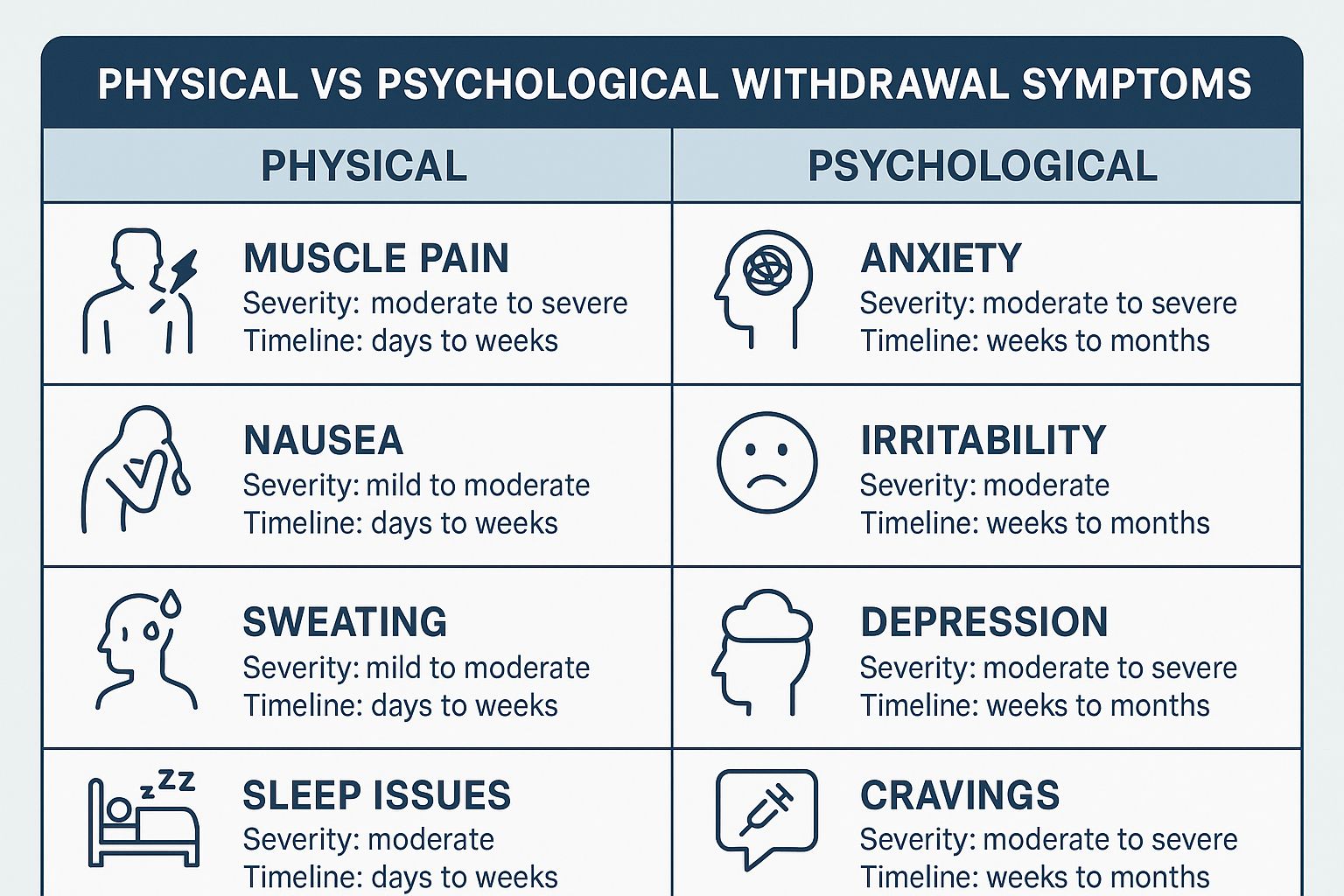
Physical Symptoms During Kratom Withdrawal
Jack Botanicals: Premium Kratom Done Right
Why settle for less? Get AKA-certified quality with top strains: Red Maeng Da, Red Bali, Green Maeng Da
💎 Special Offer: Use code at checkout | JACK30 |
Musculoskeletal Symptoms
Muscle and joint pain represent the most commonly reported physical discomfort during kratom withdrawal. Users frequently experience:
- Aching muscles throughout the body
- Joint stiffness and soreness
- Restless leg syndrome
- General body tension
Gastrointestinal Issues
The digestive system often reacts strongly to kratom cessation:
- Nausea and vomiting 🤢
- Diarrhea or constipation
- Loss of appetite
- Abdominal cramping
- Digestive irregularities
Sleep and Energy Disturbances
Sleep patterns become significantly disrupted:
- Insomnia or difficulty falling asleep
- Frequent nighttime awakening
- Vivid dreams or nightmares
- Daytime fatigue
- Energy fluctuations
Understanding how long kratom takes to kick in helps explain why withdrawal symptoms can appear relatively quickly after discontinuation.
Psychological Symptoms and Mental Health Impact
Mood-Related Changes
Kratom withdrawal significantly affects emotional regulation:
- Anxiety and panic attacks
- Depression or low mood
- Irritability and mood swings
- Emotional sensitivity
- Feeling overwhelmed
Cognitive Symptoms
Mental clarity and focus often suffer during withdrawal:
- Difficulty concentrating
- Memory problems
- Mental fog or confusion
- Reduced motivation
- Decision-making challenges
Cravings and Psychological Dependence
Psychological cravings can persist longer than physical symptoms:
- Strong urges to use kratom
- Obsessive thoughts about the substance
- Difficulty managing stress without kratom
- Fear of facing daily challenges
“The psychological aspects of kratom withdrawal often prove more challenging than physical symptoms, requiring comprehensive support strategies for successful recovery.”
Factors That Influence Withdrawal Duration
Usage Patterns and Dosage
Higher daily doses and frequent consumption significantly extend withdrawal duration:
| Daily Dosage | Typical Withdrawal Duration | Symptom Intensity |
|---|---|---|
| 1-5 grams | 3-5 days | Mild to Moderate |
| 6-15 grams | 5-7 days | Moderate |
| 16-30 grams | 7-10 days | Moderate to Severe |
| 30+ grams | 10-14 days | Severe |
Individual Biological Factors
Personal characteristics affecting withdrawal include:
- Metabolism speed
- Overall physical health
- Age and body weight
- Genetic predisposition
- Previous substance use history
Concurrent Substance Use
Using other substances alongside kratom can complicate withdrawal:
- Alcohol consumption
- Prescription medications
- Other botanical supplements
- Caffeine dependency
Different kratom strains may also influence withdrawal experiences. For instance, users of Gold Malay kratom might experience different withdrawal patterns compared to other varieties.
Managing Kratom Withdrawal Symptoms
Medical Supervision and Professional Help
Professional medical guidance proves invaluable for severe withdrawal cases:
- Physician monitoring for complications
- Prescription medications for symptom relief
- Mental health counseling support
- Addiction specialist consultation
Natural Symptom Relief Methods
Several natural approaches can ease withdrawal discomfort:
Physical Comfort Measures:
- Warm baths with Epsom salts 🛁
- Gentle stretching and yoga
- Massage therapy
- Heat pads for muscle pain
Nutritional Support:
- Hydration with electrolyte solutions
- Anti-inflammatory foods
- Vitamin and mineral supplements
- Protein-rich meals for energy
Sleep Hygiene:
- Consistent bedtime routines
- Dark, cool sleeping environment
- Avoiding screens before bed
- Relaxation techniques
Psychological Coping Strategies
Mental health support accelerates recovery:
- Mindfulness and meditation 🧘♀️
- Cognitive behavioral therapy techniques
- Support group participation
- Journaling and emotional expression
- Stress management practices
When considering kratom purchases, choosing reputable vendors becomes crucial. Reviews of vendors like Best Buy Botanicals and Benni Botanicals can help users make informed decisions about quality products.
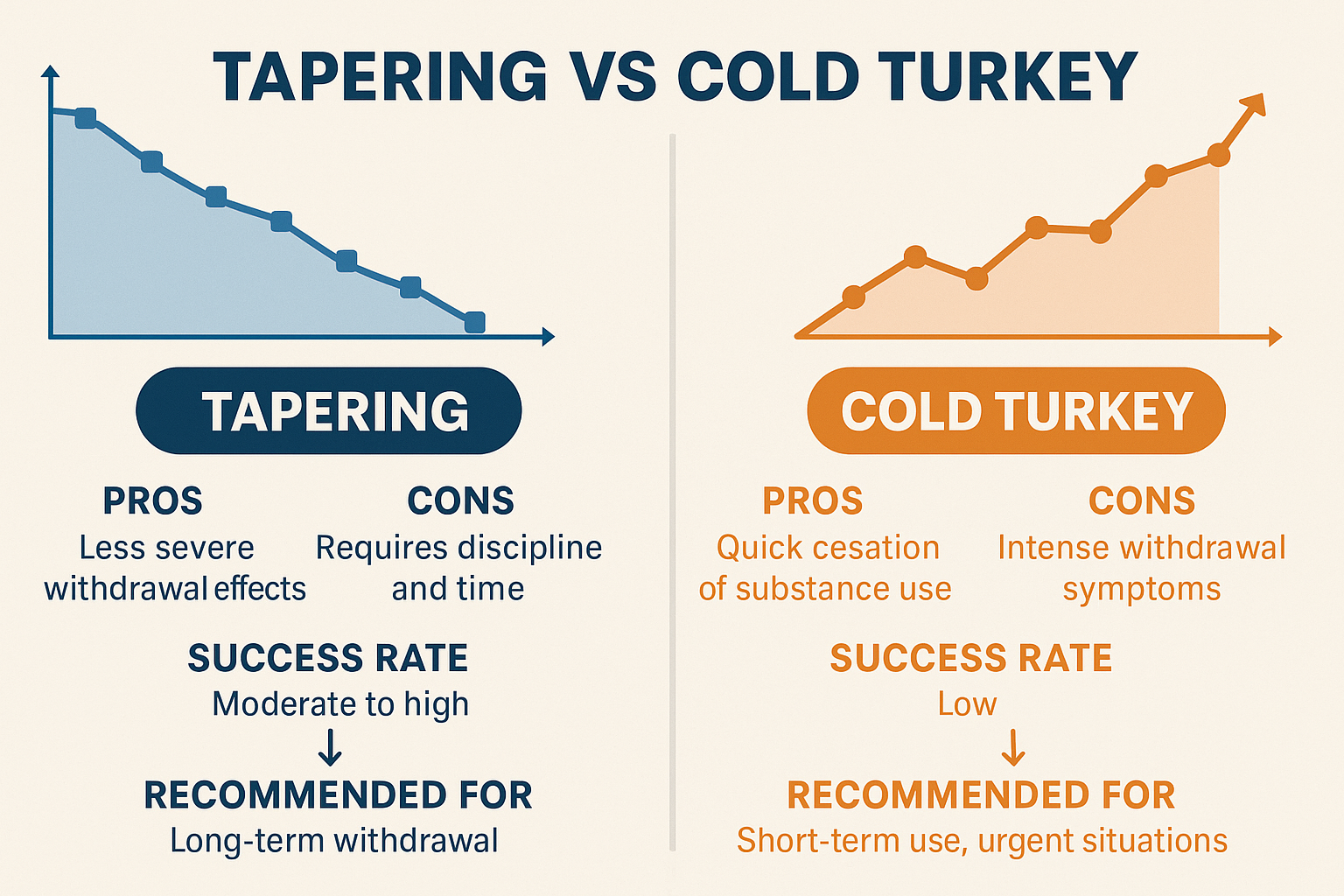
Tapering vs. Cold Turkey Withdrawal
Gradual Tapering Approach
Slowly reducing kratom dosage often minimizes withdrawal severity:
Benefits of Tapering:
- Reduced symptom intensity
- Better success rates
- Maintained daily functioning
- Lower risk of complications
Tapering Schedule Example:
- Week 1: Reduce daily dose by 25%
- Week 2: Reduce by another 25%
- Week 3: Reduce by 25% again
- Week 4: Final 25% reduction and cessation
Cold Turkey Method
Immediate cessation works for some individuals:
When Cold Turkey Might Work:
- Strong motivation and support system
- Lower daily dosages
- Shorter usage duration
- Previous successful withdrawal experiences
Risks of Cold Turkey:
- More intense symptoms
- Higher relapse risk
- Potential complications
- Significant discomfort
Timeline Variations by Usage History
Short-Term Users (Under 6 Months)
Users with limited kratom history typically experience:
- Withdrawal duration: 3-5 days
- Milder symptom intensity
- Faster recovery times
- Less psychological dependence
Long-Term Users (6+ Months)
Extended kratom use creates more complex withdrawal:
- Withdrawal duration: 7-14 days
- More severe physical symptoms
- Prolonged psychological effects
- Greater need for professional support
Heavy Daily Users
Individuals consuming large daily amounts face:
- Extended withdrawal periods
- Severe symptom clusters
- Higher complication risks
- Need for medical supervision
Different kratom varieties like Yellow Malay kratom may produce varying withdrawal experiences based on their alkaloid profiles.
When to Seek Medical Help
Warning Signs Requiring Immediate Attention
Certain symptoms necessitate professional medical intervention:
- Severe dehydration 💧
- Persistent vomiting preventing fluid intake
- Extreme anxiety or panic attacks
- Suicidal thoughts or severe depression
- Chest pain or heart palpitations
- Seizures or neurological symptoms
Professional Treatment Options
Healthcare providers offer various withdrawal support services:
- Medication-assisted treatment
- Inpatient detoxification programs
- Outpatient counseling services
- Addiction medicine specialists
- Mental health professionals
Building a Support Network
Recovery success improves with strong support systems:
- Family and friend involvement
- Support group participation
- Online recovery communities
- Peer mentorship programs
- Professional counseling relationships
Long-Term Recovery and Preventing Relapse
Post-Acute Withdrawal Syndrome (PAWS)
Some individuals experience extended psychological symptoms:
- Mood fluctuations lasting weeks or months
- Occasional cravings
- Sleep pattern disruptions
- Energy level variations
- Stress sensitivity
Developing Healthy Coping Mechanisms
Sustainable recovery requires new stress management tools:
- Regular exercise routines
- Mindfulness practices
- Healthy social connections
- Productive hobbies and interests
- Professional or educational goals
Lifestyle Changes Supporting Recovery
Long-term success benefits from comprehensive lifestyle modifications:
- Nutritious diet and regular meals 🥗
- Consistent sleep schedules
- Stress reduction techniques
- Avoiding triggers and high-risk situations
- Building meaningful relationships
Legal Considerations and Access to Treatment
Understanding kratom’s legal status affects access to treatment resources. Legal considerations vary by location, with some states having specific regulations. For example, users should be aware of kratom laws in South Carolina and age requirements for purchasing kratom.
State-Specific Regulations
Different states maintain varying kratom policies:
- Legal status affects treatment options
- Insurance coverage considerations
- Healthcare provider familiarity
- Support resource availability
For those interested in kratom alternatives, exploring options like kratom tea might provide gentler consumption methods.
Alternative Therapies and Complementary Treatments
Holistic Approaches
Integrative treatment methods can support conventional withdrawal management:
- Acupuncture for pain and anxiety relief
- Herbal supplements for symptom support
- Massage therapy for muscle tension
- Aromatherapy for relaxation
- Chiropractic care for physical discomfort
Nutritional Interventions
Targeted nutrition supports the body’s healing process:
- Omega-3 fatty acids for brain health
- Magnesium for muscle relaxation
- B-vitamins for energy metabolism
- Vitamin D for mood regulation
- Probiotics for digestive health
Exercise and Physical Activity
Regular movement accelerates recovery:
- Endorphin release for natural mood enhancement
- Improved sleep quality
- Stress reduction benefits
- Enhanced overall health
- Social interaction opportunities
Creating a Withdrawal Plan
Pre-Withdrawal Preparation
Planning ahead improves withdrawal success:
- Choose optimal timing (minimal stress periods)
- Arrange time off work if needed
- Stock comfort items and healthy foods
- Inform trusted friends or family
- Remove kratom access from environment
Daily Management Strategies
Structured daily routines provide stability during withdrawal:
- Morning meditation or relaxation
- Regular meal times
- Gentle exercise periods
- Evening wind-down activities
- Consistent sleep schedules
Emergency Planning
Prepare for challenging moments:
- Crisis contact numbers readily available
- Professional support resources identified
- Coping strategy reminders written down
- Safe, supportive environment maintained
- Emergency medical information accessible
Frequently Asked Questions About Kratom Withdrawal
Kratom withdrawal typically lasts 3-7 days for acute symptoms, with peak discomfort occurring within the first 2-3 days. However, some individuals may experience lingering effects for up to 2-3 weeks, depending on usage patterns, dosage, and individual factors.
Common symptoms include muscle aches, irritability, mood swings, runny nose, insomnia, nausea, and cravings. Physical symptoms often resemble flu-like conditions, while psychological symptoms may include anxiety, depression, and restlessness.
Kratom withdrawal is generally not life-threatening, but it can be very uncomfortable. However, individuals with underlying health conditions or those using other substances should consult healthcare professionals, as complications may arise in certain circumstances.
Withdrawal severity depends on dosage amount, frequency of use, duration of use, individual metabolism, overall health, and method of discontinuation. Higher doses and longer usage periods typically result in more intense withdrawal symptoms.
Gradual tapering is generally recommended over cold turkey cessation. Slowly reducing your dose by 25-50% every few days can significantly minimize withdrawal symptoms and make the process more manageable and sustainable.
Seek professional help if you experience severe depression, suicidal thoughts, persistent insomnia, dehydration, or if you have underlying health conditions. Medical supervision can provide additional support and ensure safe withdrawal management.
Conclusion
Understanding how long kratom withdrawal lasts empowers individuals to make informed decisions about their kratom use and recovery journey. While the typical withdrawal timeline spans 3-7 days for acute symptoms, individual experiences vary significantly based on usage patterns, dosage levels, and personal health factors.
The withdrawal process, though challenging, represents a temporary phase leading to improved health and well-being. Physical symptoms generally peak within 24-72 hours and gradually subside, while psychological symptoms may require additional time and support to resolve completely.
Key strategies for successful kratom withdrawal include:
- Seeking appropriate medical supervision when needed
- Implementing comprehensive symptom management approaches
- Building strong support networks
- Developing healthy coping mechanisms
- Planning for long-term recovery success
Remember that withdrawal experiences are highly individual, and what works for one person may not be suitable for another. Professional healthcare guidance provides the safest and most effective pathway through kratom withdrawal, especially for individuals with extended usage histories or high daily dosages.
Take action today by consulting with healthcare professionals, building your support network, and developing a comprehensive withdrawal plan tailored to your specific needs and circumstances. Recovery is possible, and with proper preparation and support, the temporary discomfort of withdrawal leads to lasting freedom from kratom dependence.
SEO Meta Title: How Long Does Kratom Withdrawal Last? Complete Timeline & Recovery Guide
Meta Description: Discover how long kratom withdrawal lasts, symptoms timeline, and effective recovery strategies. Complete guide to managing withdrawal safely with expert tips.
Lauren is passionate about heritage studies and the ways in which plants have shaped human traditions. She enjoys researching folk practices, symbolic plant meanings, and natural rituals that connect people with the environment. Lauren’s curiosity has taken her into the study of ethnobotany and cultural anthropology, where she highlights the importance of preserving these traditions. She believes that sharing such knowledge fosters respect for both people and nature.