

Looking for Authentic Kratom Quality?
Jack Botanicals offers AKA-approved strains including Red Maeng Da, Red Bali, and Green Maeng Da. Every batch is third-party lab tested.
First-Time Buyer Bonus: Apply JACK30 for 30% off
Breaking free from kratom dependency can feel overwhelming, but thousands of people successfully navigate this journey every year with the right approach and support system. Whether you’ve been using kratom for pain management, energy, or other reasons, understanding how to quit kratom safely is crucial for your long-term health and well-being.
Kratom withdrawal, while challenging, is manageable with proper planning, gradual tapering, and comprehensive support strategies. Unlike going cold turkey, which can lead to severe withdrawal symptoms and high relapse rates, a structured approach significantly improves your chances of success while minimizing discomfort.
- Gradual tapering is safer and more effective than quitting kratom cold turkey, reducing withdrawal severity by 60-80%
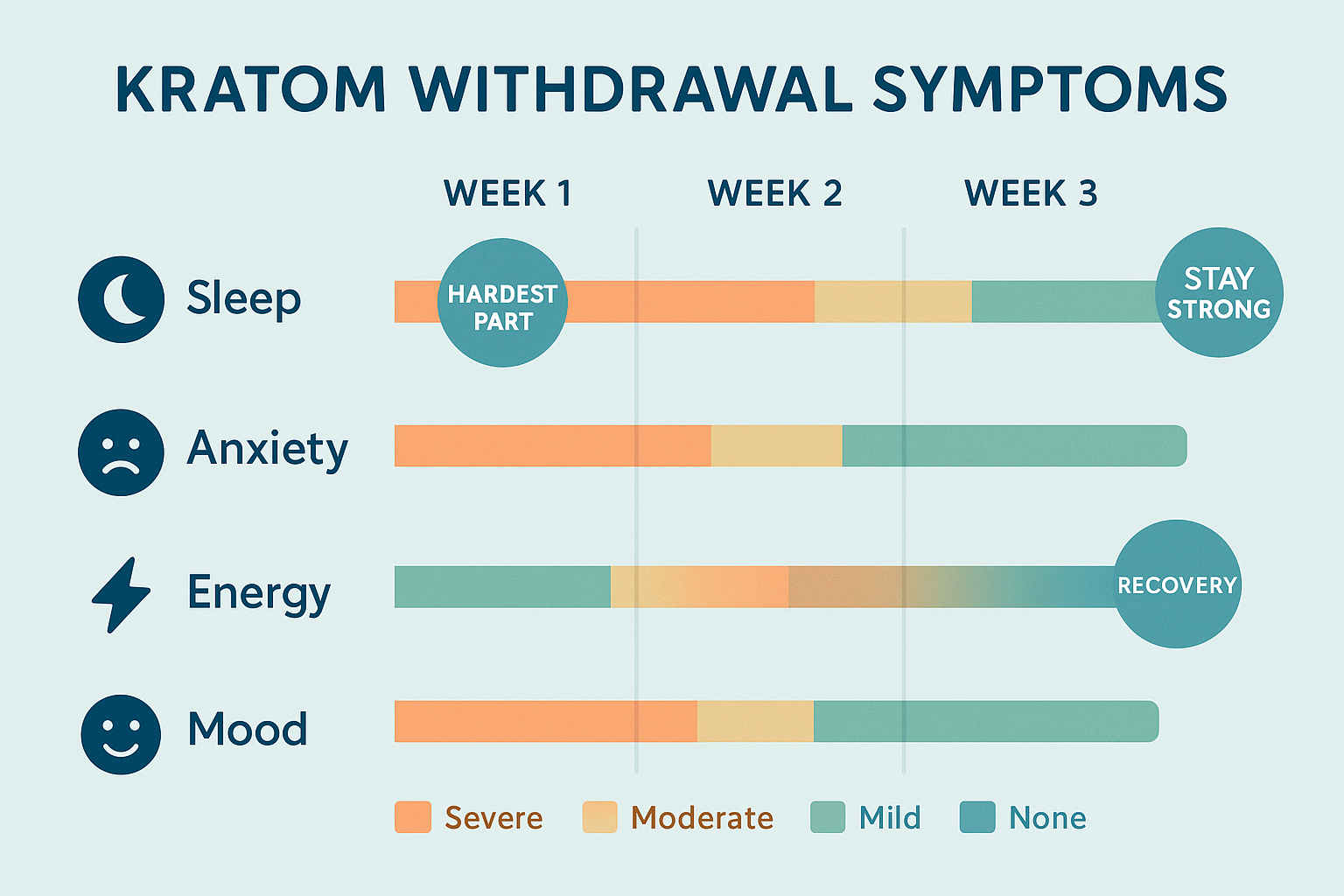
- Withdrawal symptoms typically peak within 2-4 days and can last 1-2 weeks, including anxiety, fatigue, and physical discomfort
- Professional support from healthcare providers, counselors, or support groups increases success rates significantly
- Natural remedies and lifestyle changes can help manage withdrawal symptoms and support recovery
- Relapse prevention strategies are essential for maintaining long-term sobriety after quitting kratom
Understanding Kratom Dependency and Withdrawal
What Happens When You Use Kratom Regularly
Kratom (Mitragyna speciosa) contains alkaloids that interact with opioid receptors in the brain, particularly mitragynine and 7-hydroxymitragynine. Regular use of various kratom strains can lead to physical dependence as your body adapts to these compounds.
Signs of kratom dependency include:
- Needing higher doses to achieve the same effects 📈
- Experiencing discomfort when doses are missed
- Continued use despite negative consequences
- Inability to control or reduce usage
- Withdrawal symptoms when stopping
Common Kratom Withdrawal Symptoms
Understanding what to expect during withdrawal helps prepare mentally and physically for the process. Symptoms vary based on usage duration, dosage, and individual factors.
Physical symptoms:
- Muscle aches and joint pain
- Fatigue and low energy
- Nausea and digestive issues
- Sleep disturbances
- Headaches
- Tremors or shakiness
Psychological symptoms:
- Anxiety and irritability
- Depression and mood swings
- Cravings for kratom
- Difficulty concentrating
- Restlessness
- Emotional sensitivity
“The hardest part about quitting kratom isn’t the physical symptoms—it’s breaking the mental habit and finding new ways to cope with stress and discomfort.” – Recovery Specialist
How to Quit Kratom: Creating Your Taper Schedule
Why Tapering Works Better Than Cold Turkey
Tapering gradually reduces kratom intake over several weeks, allowing your body to adjust slowly and minimizing withdrawal severity. Research shows that gradual reduction methods have success rates of 70-85% compared to 20-30% for cold turkey approaches.
Step-by-Step Taper Planning
Week 1-2: Assessment and Baseline
- Track your current daily kratom intake accurately
- Note timing, dosage, and strain preferences
- Identify triggers and usage patterns
- Set a realistic quit date (typically 4-8 weeks out)
Week 3-4: Initial Reduction (25% decrease)
- Reduce daily intake by 25%
- Maintain regular dosing schedule
- Monitor withdrawal symptoms
- Adjust reduction rate if needed
Week 5-6: Continued Tapering (50% of original dose)
- Further reduce by 25% of original amount
- Consider switching to lower-potency strains
- Implement coping strategies for discomfort
- Maintain hydration and nutrition
Week 7-8: Final Reduction and Discontinuation
- Reduce to minimal doses
- Extend time between doses
- Complete discontinuation
- Implement full support system
Taper Schedule Calculator
🌿 Kratom Taper Schedule Calculator
Your Personalized Taper Schedule
Natural Remedies and Support Strategies
Jack Botanicals: Premium Kratom Done Right
Why settle for less? Get AKA-certified quality with top strains: Red Maeng Da, Red Bali, Green Maeng Da
💎 Special Offer: Use code at checkout | JACK30 |
Supplements That Help With Kratom Withdrawal
Magnesium (400-600mg daily)
- Reduces muscle tension and anxiety
- Improves sleep quality
- Helps with restless leg syndrome
L-Theanine (200-400mg daily)
- Promotes relaxation without sedation
- Reduces anxiety and stress
- Supports mental clarity
Ashwagandha (300-500mg daily)
- Adaptogenic herb that manages stress
- Balances cortisol levels
- Supports energy recovery
B-Complex Vitamins
- Essential for nervous system function
- Supports energy metabolism
- Helps with mood regulation
Lifestyle Modifications for Success
Exercise and Movement 🏃♂️
Regular physical activity is one of the most effective tools for managing withdrawal symptoms and supporting recovery.
- Cardio exercise: 20-30 minutes daily helps release endorphins
- Yoga or stretching: Reduces muscle tension and promotes relaxation
- Walking in nature: Combines exercise with stress reduction
- Strength training: Builds confidence and physical resilience
Sleep Hygiene
Quality sleep is crucial during kratom withdrawal, though it may be challenging initially.
- Maintain consistent sleep/wake times
- Create a relaxing bedtime routine
- Limit screen time before bed
- Use blackout curtains or eye masks
- Consider melatonin supplementation (1-3mg)
Nutrition and Hydration
Proper nutrition supports your body’s healing process and helps manage withdrawal symptoms.
- Eat regular, balanced meals
- Focus on whole foods and lean proteins
- Stay hydrated with 8-10 glasses of water daily
- Limit caffeine and sugar
- Consider bone broth for mineral replenishment
Professional Support Options
When to Seek Medical Help
While many people successfully quit kratom on their own, certain situations warrant professional medical supervision:
- High daily doses (over 20-30 grams daily)
- Long-term use (over 2 years of regular use)
- Previous failed quit attempts
- Co-occurring mental health conditions
- Other substance dependencies
- Severe withdrawal symptoms
Types of Professional Support
Medical Detoxification
For heavy users, medically supervised detox provides:
- 24/7 medical monitoring
- Comfort medications for symptom management
- Safe, controlled environment
- Professional crisis intervention
Addiction Counseling
Individual or group therapy helps address:
- Underlying reasons for kratom use
- Coping strategies development
- Relapse prevention planning
- Mental health support
Support Groups
Both online and in-person groups offer:
- Peer support and understanding
- Shared experiences and strategies
- Accountability partnerships
- Long-term recovery community
Managing Specific Withdrawal Symptoms
Anxiety and Depression Management
Anxiety and depression are common during kratom withdrawal, especially for those who used kratom for mood enhancement.
Immediate strategies:
- Deep breathing exercises (4-7-8 technique)
- Progressive muscle relaxation
- Mindfulness meditation
- Grounding techniques (5-4-3-2-1 method)
Longer-term approaches:
- Regular therapy sessions
- Antidepressant medication (if prescribed)
- Social support network activation
- Meaningful activity engagement
Physical Discomfort Relief
For muscle aches and pains:
- Warm baths with Epsom salts
- Gentle massage or self-massage
- Heat therapy (heating pads, warm compresses)
- Over-the-counter pain relievers (as directed)
For digestive issues:
- BRAT diet (bananas, rice, applesauce, toast)
- Probiotics for gut health
- Ginger tea for nausea
- Small, frequent meals
For sleep difficulties:
- Consistent bedtime routine
- Relaxation techniques before bed
- Comfortable sleep environment
- Natural sleep aids (melatonin, chamomile tea)
Legal Considerations and Resources

Understanding the legal landscape around kratom can impact your quit journey and access to resources. Kratom legality varies by state, with some states having specific regulations or bans.
State-Specific Information
Different states have varying approaches to kratom regulation:
- Some states have complete bans
- Others have age restrictions or labeling requirements
- Colorado’s kratom laws exemplify evolving state regulations
- Federal oversight continues to develop
Finding Quality Information
When researching kratom and quitting strategies, reliable sources include:
- Medical professionals and addiction specialists
- Peer-reviewed research studies
- Evidence-based user experiences from recovery communities
- Reputable health organizations
Building Your Support Network
Family and Friends
Educating your support system:
- Share information about kratom and withdrawal
- Explain your quit plan and timeline
- Communicate your needs clearly
- Set boundaries around judgment or criticism
Practical support requests:
- Help with daily responsibilities during difficult days
- Accountability for taper schedule adherence
- Emotional support during challenging moments
- Distraction activities and social engagement
Online Communities and Resources
Benefits of online support:
- 24/7 availability for crisis moments
- Anonymous sharing without stigma
- Diverse perspectives and strategies
- Progress tracking and celebration
Popular platforms include:
- Reddit recovery communities
- Facebook support groups
- Specialized kratom quit forums
- Addiction recovery apps
Professional Networks
Building relationships with healthcare providers ensures comprehensive support:
- Primary care physician: Overall health monitoring
- Mental health counselor: Emotional support and coping strategies
- Addiction specialist: Specialized withdrawal and recovery expertise
- Pharmacist: Medication interactions and supplement guidance
Relapse Prevention Strategies
Identifying Triggers
Common triggers for kratom use include:
- Stress and overwhelming situations
- Physical pain or discomfort
- Emotional difficulties (anxiety, depression, loneliness)
- Environmental cues (places, people, situations associated with use)
- Boredom or lack of purpose
Developing Coping Mechanisms
For stress management:
- Regular exercise routine
- Meditation or mindfulness practice
- Time management and organization skills
- Healthy boundary setting
For pain management:
- Physical therapy or movement therapy
- Alternative pain relief methods
- Medical evaluation for underlying conditions
- Non-pharmaceutical pain management techniques
For emotional regulation:
- Therapy or counseling
- Journaling and self-reflection
- Creative outlets and hobbies
- Social connection and community involvement
Creating an Emergency Plan
Develop a specific plan for high-risk situations:
- Recognize early warning signs of potential relapse
- Have emergency contacts readily available
- Know your strongest motivations for quitting
- Practice specific techniques for urge management
- Remove access to kratom sources
Long-Term Recovery and Wellness

Physical Health Recovery
Timeline expectations:
- Week 1-2: Acute withdrawal symptoms peak and begin to subside
- Month 1-3: Energy levels and sleep patterns normalize
- Month 3-6: Physical health markers continue improving
- Month 6+: Full physical recovery and baseline function restoration
Supporting physical recovery:
- Regular medical check-ups
- Continued exercise and movement
- Nutritional support and supplementation
- Adequate sleep and stress management
Mental and Emotional Wellness
Cognitive function improvements:
- Enhanced focus and concentration
- Improved memory and mental clarity
- Better decision-making abilities
- Increased emotional stability
Psychological benefits:
- Greater sense of personal control
- Improved self-esteem and confidence
- Enhanced relationships and social connections
- Increased life satisfaction and purpose
Lifestyle Reconstruction
Developing new routines:
Recovery involves creating new, healthy patterns to replace kratom use habits.
- Morning routines that promote energy and positivity
- Stress management practices integrated throughout the day
- Evening routines that support quality sleep
- Weekend activities that provide fulfillment and joy
Goal setting and achievement:
- Short-term goals (daily, weekly)
- Medium-term objectives (monthly, quarterly)
- Long-term vision and purpose
- Regular progress evaluation and adjustment
Alternative Pain and Energy Management
Many people initially used kratom for legitimate concerns like chronic pain or low energy. Successful long-term recovery requires addressing these underlying issues.
Pain Management Alternatives
Medical approaches:
- Comprehensive pain evaluation
- Physical therapy and rehabilitation
- Non-opioid pain medications
- Interventional pain procedures
Natural approaches:
- Acupuncture and traditional medicine
- Massage therapy and bodywork
- Anti-inflammatory diet modifications
- Mind-body techniques (yoga, tai chi)
Energy and Mood Enhancement
Natural energy boosters:
- Regular sleep schedule optimization
- Balanced nutrition and hydration
- Appropriate exercise intensity
- Stress reduction techniques
Mood support strategies:
- Social connection and community
- Meaningful work and purpose
- Creative expression and hobbies
- Spiritual or philosophical practices
Understanding Kratom Varieties and Their Effects
For those transitioning away from kratom, understanding why different varieties appealed to them can inform alternative strategies. White Malay kratom for energy and Red Malay for pain relief serve different purposes that need addressing in recovery.
Replacing Kratom Functions
If you used kratom for energy:
- Optimize sleep quality and duration
- Address nutritional deficiencies
- Incorporate energizing activities
- Consider medical evaluation for fatigue
If you used kratom for pain:
- Seek comprehensive pain management
- Explore non-pharmaceutical options
- Address inflammation and lifestyle factors
- Work with healthcare providers for alternatives
If you used kratom for mood:
- Develop emotional regulation skills
- Address underlying mental health conditions
- Build supportive relationships
- Engage in mood-boosting activities
Financial Benefits of Quitting Kratom

Calculating Your Savings
Regular kratom use represents a significant financial investment. Consider these calculations:
Monthly kratom costs:
- Daily dose × cost per gram × 30 days
- Additional costs: shipping, taxes, accessories
- Opportunity cost of money spent on kratom
Annual savings potential:
- Monthly costs × 12 months
- Investment potential of saved money
- Additional healthcare savings from improved health
Reinvesting in Recovery
Use kratom money for recovery-supporting investments:
- Gym memberships or fitness equipment
- Therapy or counseling sessions
- Healthy food and supplements
- Stress-reduction activities (massage, hobbies)
- Education or skill development
Frequently Asked Questions About Quitting Kratom
Monitoring Progress and Celebrating Milestones
Tracking Your Journey
Daily tracking elements:
- Kratom-free days completed
- Withdrawal symptom severity (1-10 scale)
- Sleep quality and duration
- Energy levels throughout the day
- Mood and emotional state
- Coping strategies used
Weekly assessments:
- Overall progress evaluation
- Challenge identification and problem-solving
- Support system effectiveness
- Goal adjustment and refinement
Milestone Celebrations
Important milestones to acknowledge:
- 24 hours kratom-free: First major achievement
- One week: Acute withdrawal phase completion
- One month: Significant physical recovery
- Three months: Psychological adjustment period
- Six months: Substantial lifestyle changes
- One year: Long-term recovery establishment
Healthy celebration ideas:
- Special meals or dining experiences
- New experiences or adventures
- Purchases you’ve wanted (funded by kratom savings)
- Sharing success with support network
- Treating yourself to relaxation or self-care
Conclusion
Learning how to quit kratom successfully requires a comprehensive approach that addresses physical, psychological, and social aspects of recovery. The journey involves careful planning, gradual tapering, robust support systems, and commitment to long-term lifestyle changes.
Remember that recovery is not a linear process, and setbacks don’t mean failure. Each attempt provides valuable learning experiences that contribute to eventual success. The combination of medical support, natural remedies, lifestyle modifications, and strong social connections creates the foundation for lasting recovery.
The benefits of quitting kratom extend far beyond eliminating physical dependence. Recovery offers renewed energy, improved relationships, financial savings, enhanced mental clarity, and the satisfaction of overcoming a significant personal challenge. With proper preparation, support, and commitment, you can successfully navigate this transition and build a healthier, more fulfilling life.
Whether you’re considering where to buy kratom for a final taper supply or researching online kratom purchasing for harm reduction purposes, remember that the ultimate goal is freedom from dependence and improved overall well-being.
Rachel is an explorer of traditional plant uses and cultural heritage. Her fascination with history has led her to study how plants have influenced human expression, from ceremonies to daily life practices. Rachel believes that understanding these connections can help people appreciate the richness of diverse cultures. She is passionate about sharing insights that encourage mindfulness, respect for nature, and a deeper connection with the earth’s traditions