

Looking for Authentic Kratom Quality?
Jack Botanicals offers AKA-approved strains including Red Maeng Da, Red Bali, and Green Maeng Da. Every batch is third-party lab tested.
First-Time Buyer Bonus: Apply JACK30 for 30% off
North Carolina residents navigating the complex landscape of kratom legality face a web of federal uncertainty and state-specific regulations that can change without warning. While kratom remains legal in the Tar Heel State, understanding is kratom legal in North Carolina requires examining current laws, age restrictions, and purchasing guidelines that govern this botanical supplement.
- Kratom is currently legal in North Carolina for adults 18 and older with no state-level restrictions
- No specific state regulations exist, but federal oversight and local ordinances may apply
- Age verification required – most vendors require customers to be at least 18 years old
- Quality and sourcing matter – unregulated market means buyer awareness is crucial
- Legal status can change – staying informed about legislative developments is essential
Understanding Kratom’s Legal Status in North Carolina
Is kratom legal in North Carolina? Yes, kratom remains legal throughout North Carolina as of current state law. The state has not enacted any specific legislation banning or restricting kratom use, possession, or sale. This places North Carolina among the majority of states that allow kratom commerce and consumption.
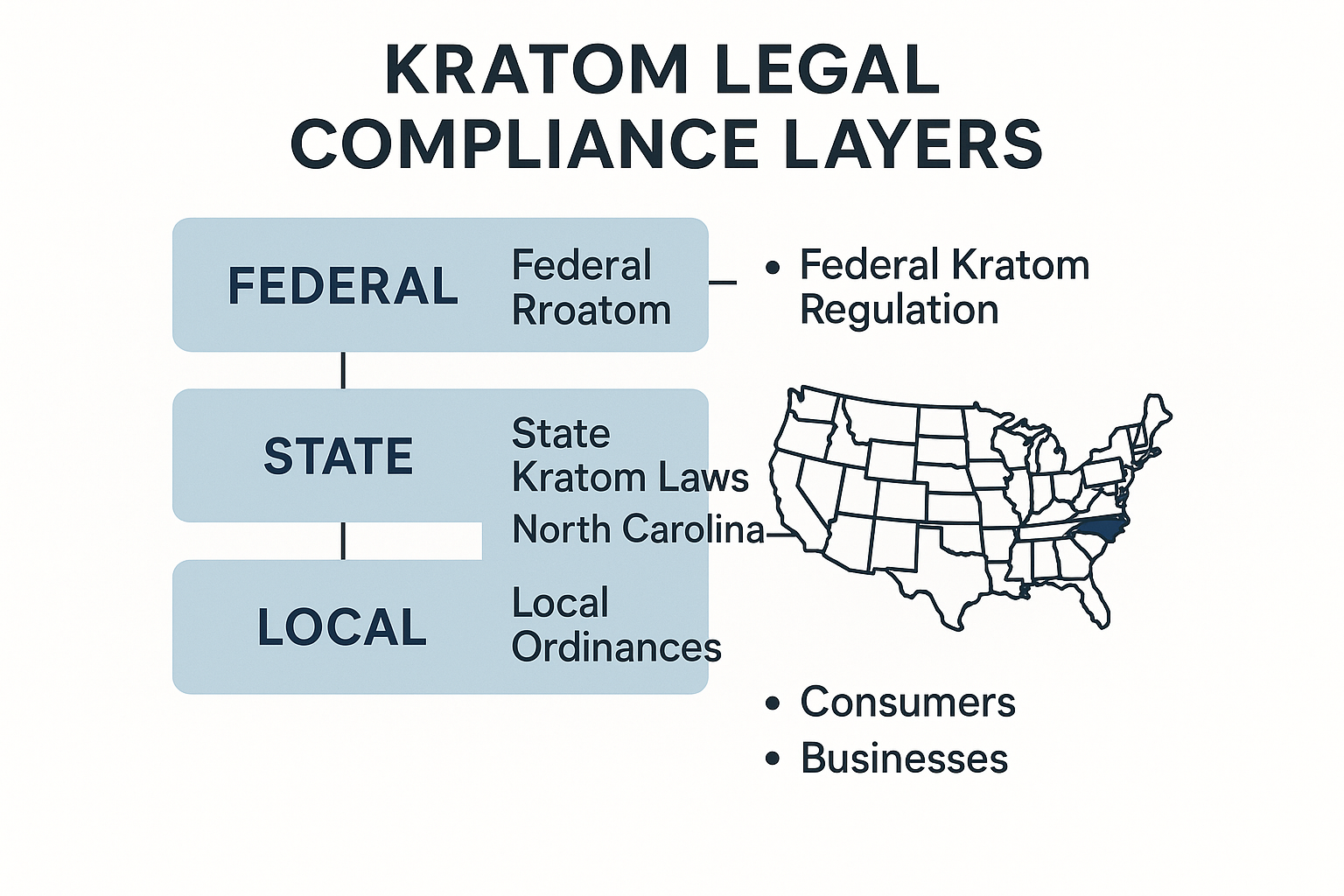
However, the legal landscape surrounding kratom involves multiple layers of regulation. While North Carolina state law doesn’t prohibit kratom, consumers must understand that:
- Federal oversight through the FDA continues to evolve
- Local municipalities may have their own restrictions
- Vendor compliance with labeling and safety standards varies
- Quality control remains largely unregulated
The absence of state-level restrictions doesn’t mean kratom exists in a regulatory vacuum. Understanding these nuances helps consumers make informed decisions about kratom use and purchasing.
Current North Carolina Kratom Laws and Regulations
Jack Botanicals: Premium Kratom Done Right
Why settle for less? Get AKA-certified quality with top strains: Red Maeng Da, Red Bali, Green Maeng Da
💎 Special Offer: Use code at checkout | JACK30 |

State-Level Legislation
North Carolina has not passed any specific kratom legislation, either banning or regulating the substance. This means kratom falls into a legal gray area where it’s not explicitly controlled by state drug laws. The North Carolina Controlled Substances Act doesn’t list kratom or its primary alkaloids (mitragynine and 7-hydroxymitragynine) as controlled substances.
Federal Considerations
While state law permits kratom, federal agencies maintain oversight:
FDA Position: The Food and Drug Administration has not approved kratom for any medical use and continues to issue warnings about potential risks.
DEA Stance: The Drug Enforcement Administration has considered scheduling kratom but has not taken definitive action as of current regulations.
Import Regulations: Kratom products must comply with federal import requirements and customs regulations.
Local Ordinances
Some North Carolina municipalities may have local ordinances affecting kratom:
- City-level restrictions may exist in certain areas
- County regulations could impose additional requirements
- Business licensing requirements may affect vendors
Consumers should verify local laws in their specific area, as municipal regulations can be more restrictive than state law.
Age Limits and Purchase Requirements
Minimum Age Requirements
Most kratom vendors in North Carolina require customers to be at least 18 years old. This age restriction stems from:
- Industry self-regulation practices
- Vendor liability concerns
- Insurance requirements for businesses
- Best practices adopted from other supplement industries
Some vendors may set higher age limits, requiring customers to be 21 or older, particularly for online purchases.
Verification Processes
When purchasing kratom in North Carolina, expect these verification requirements:
Online Purchases:
- Age verification during checkout
- Credit card holder age confirmation
- Digital ID verification systems
- Adult signature required for delivery
In-Store Purchases:
- Valid government-issued photo ID
- Age verification at point of sale
- Parental consent restrictions for minors
Understanding age requirements across different states helps consumers navigate varying regulations when traveling or ordering online.
Kratom Legal FAQ for North Carolina
Where to Buy Kratom in North Carolina

Legal Purchase Options
North Carolina residents have several options for purchasing kratom legally:
Online Vendors:
- National kratom retailers with NC shipping
- Specialized kratom companies
- Multi-supplement websites
- Direct from manufacturer sites
Physical Stores:
- Smoke shops and head shops
- Natural health stores
- Some convenience stores
- Specialty kratom retailers
When selecting vendors, consider those with strong reputations like reputable kratom companies that prioritize quality and customer service.
Quality and Safety Considerations
Since kratom isn’t regulated like pharmaceuticals, quality varies significantly between vendors. Key factors to evaluate:
Third-Party Testing:
- Lab results for contaminants
- Alkaloid content verification
- Heavy metals screening
- Microbial testing results
Vendor Reputation:
- Customer reviews and testimonials
- Industry certifications
- Transparent business practices
- Responsive customer service
Product Information:
- Clear labeling and ingredients
- Strain information and origins
- Batch tracking numbers
- Proper packaging and storage
Researching vendors like established kratom retailers helps ensure product quality and reliability.
Comparing North Carolina to Neighboring States
Regional Legal Landscape
Understanding how North Carolina’s kratom laws compare to neighboring states provides valuable context:
| State | Legal Status | Age Restriction | Special Notes |
|---|---|---|---|
| North Carolina | Legal | 18+ (vendor policy) | No state regulations |
| South Carolina | Legal | 18+ | Similar regulatory approach |
| Virginia | Legal | 18+ | No state restrictions |
| Tennessee | Legal | 21+ | Age restriction by law |
| Georgia | Legal | 18+ | No state regulations |
This comparison shows North Carolina maintains a relatively permissive approach to kratom regulation compared to some neighboring states.
Interstate Commerce Considerations
For North Carolina residents, understanding interstate kratom commerce involves:
Shipping Restrictions:
- Vendors may not ship to certain states
- Delivery services may have limitations
- Interstate transport regulations apply
Travel Considerations:
- Kratom legality varies by destination
- Possession laws differ between states
- Airport security and transportation rules
Types of Kratom Available in North Carolina

Popular Kratom Strains
North Carolina consumers have access to various kratom strains, each with distinct characteristics:
Red Vein Strains:
- Red Bali: Popular for relaxation
- Red Maeng Da: Potent and long-lasting
- Red Thai: Traditional and well-balanced
Green Vein Strains:
- Green Malay: Balanced effects profile
- Green Thai: Energizing properties
- Green Borneo: Moderate potency
White Vein Strains:
- White Maeng Da: Stimulating effects
- White Thai: Morning use popular
- White Borneo: Clean energy profile
Specialty Strains:
- Gold Malay varieties offer unique alkaloid profiles
- Yellow Malay options provide alternative experiences
Product Forms and Formats
Kratom products available in North Carolina include:
Powder Forms:
- Traditional loose powder
- Pre-measured portions
- Bulk quantities available
- Various mesh sizes
Capsule Products:
- Convenient dosing options
- Tasteless consumption method
- Standardized amounts
- Longer shelf life
Extract Products:
- Concentrated alkaloid content
- Higher potency options
- Various extraction methods
- Premium pricing typically
Understanding onset timing and effects helps users choose appropriate products and dosing schedules.
Potential Legal Changes and Monitoring
Legislative Developments
While kratom remains legal in North Carolina, potential changes could affect future availability:
State Legislature:
- Bills may be introduced in future sessions
- Public health concerns could drive legislation
- Industry lobbying efforts continue
- Consumer advocacy plays a role
Federal Developments:
- FDA regulatory actions possible
- Congressional oversight hearings
- International trade considerations
- Scientific research influences policy
Staying Informed
North Carolina kratom users should monitor legal developments through:
Official Sources:
- North Carolina General Assembly updates
- State health department announcements
- Federal agency communications
- Court decisions and legal precedents
Industry Resources:
- Kratom trade associations
- Vendor communications
- Consumer advocacy groups
- Legal analysis publications
Consumer Safety and Best Practices
Responsible Use Guidelines
Legal kratom use in North Carolina should follow safety best practices:
Dosage Considerations:
- Start with minimal amounts
- Gradually adjust as needed
- Monitor individual responses
- Avoid excessive consumption
Quality Verification:
- Purchase from reputable sources
- Request lab testing results
- Verify product authenticity
- Check expiration dates
Health Monitoring:
- Consult healthcare providers
- Monitor for adverse reactions
- Maintain usage logs
- Seek medical attention if needed
Interaction Awareness
Kratom may interact with other substances:
Medication Interactions:
- Prescription drug considerations
- Over-the-counter medication effects
- Supplement interactions possible
- Healthcare provider consultation recommended
Substance Combinations:
- Alcohol interaction risks
- Other botanical supplement effects
- Caffeine combination considerations
- Individual sensitivity factors
Economic Impact and Market Considerations
North Carolina Kratom Market
The legal kratom market in North Carolina contributes to:
Economic Benefits:
- Local business revenue
- Tax collection opportunities
- Employment creation
- Consumer spending
Market Characteristics:
- Growing consumer base
- Diverse product offerings
- Competitive pricing
- Quality differentiation
Vendor Landscape
North Carolina’s kratom vendor ecosystem includes:
Local Retailers:
- Independent smoke shops
- Health food stores
- Specialty kratom stores
- Gas station retailers
Online Presence:
- National vendor shipping
- Regional company operations
- Direct-to-consumer sales
- Subscription services available
Vendors like established kratom retailers and specialty companies serve the North Carolina market with various products and services.
Legal Compliance for Businesses
Vendor Requirements
Kratom businesses operating in North Carolina should consider:
Business Licensing:
- General business registration
- Sales tax permits
- Local business licenses
- Industry-specific requirements
Product Compliance:
- Accurate labeling practices
- Age verification systems
- Quality control measures
- Customer education resources
Liability Considerations:
- Product liability insurance
- Customer safety protocols
- Legal compliance monitoring
- Risk management strategies
Regulatory Compliance
While no specific kratom regulations exist in North Carolina, businesses should:
Follow General Guidelines:
- FDA labeling requirements
- Consumer protection laws
- Truth in advertising standards
- Product safety protocols
Industry Best Practices:
- Third-party testing programs
- Quality assurance procedures
- Customer service standards
- Transparent business operations
Frequently Asked Questions About Kratom in North Carolina
Conclusion
Is kratom legal in North Carolina? Currently, yes – kratom remains legal throughout North Carolina with no state-level restrictions. However, the regulatory landscape continues evolving, making it essential for consumers and businesses to stay informed about legal developments.
Key points for North Carolina residents include understanding age requirements, choosing reputable vendors, monitoring legal changes, and following safety best practices. While the state maintains a permissive approach to kratom regulation, federal oversight and potential future legislation could impact availability.
Understanding the current legal framework while preparing for potential changes ensures North Carolina kratom users can make informed decisions about their kratom use and purchasing choices.
Lauren is passionate about heritage studies and the ways in which plants have shaped human traditions. She enjoys researching folk practices, symbolic plant meanings, and natural rituals that connect people with the environment. Lauren’s curiosity has taken her into the study of ethnobotany and cultural anthropology, where she highlights the importance of preserving these traditions. She believes that sharing such knowledge fosters respect for both people and nature.